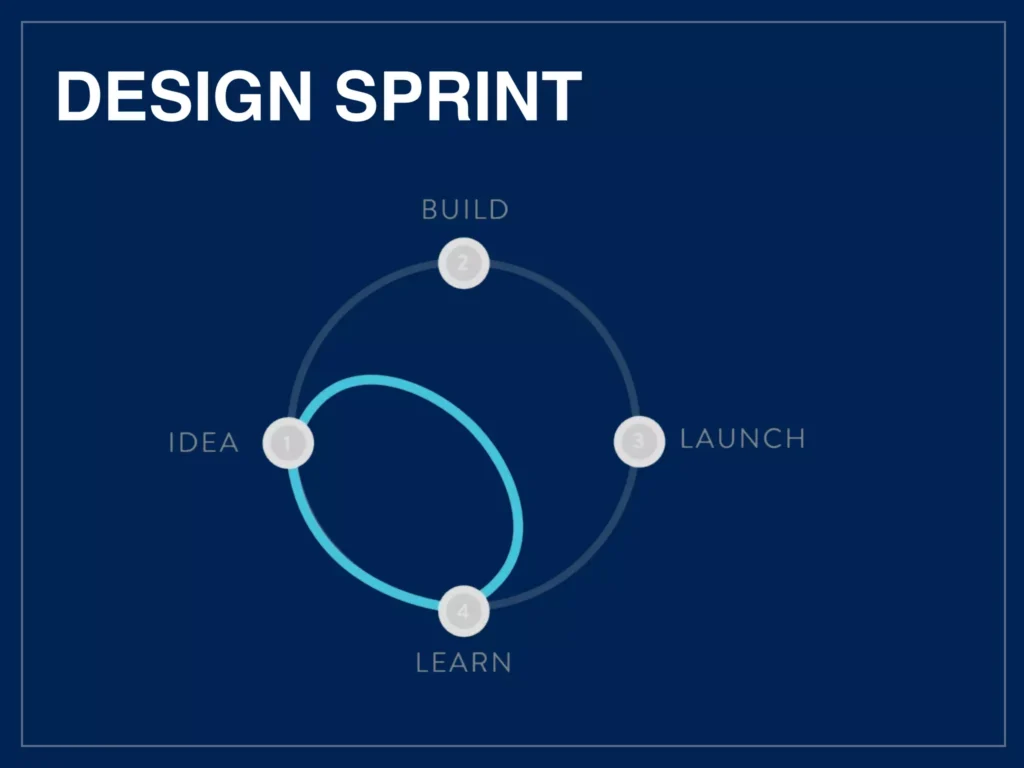
In the fast-paced world of digital innovation, design sprints have emerged as a powerful methodology to solve complex problems, test ideas quickly, and align teams toward impactful outcomes. A design sprint is an intensive, time-boxed process that blends research, ideation, prototyping, and user testing into a focused framework. By using design sprints, organisations can move from uncertainty to validated insights in a matter of days rather than months, which is why forward-thinking teams are integrating this approach into their development cycles.
Understanding the value of design sprints means recognising how they help reduce risk and accelerate decision-making. Traditionally, product development journeys involved lengthy planning phases, extensive meetings, and slow iterations. With design sprints, companies bring cross-functional stakeholders together and work through a structured sequence of activities that encourage rapid iteration. The result is a working prototype informed by real user feedback, allowing teams to make better decisions before significant resources are committed.
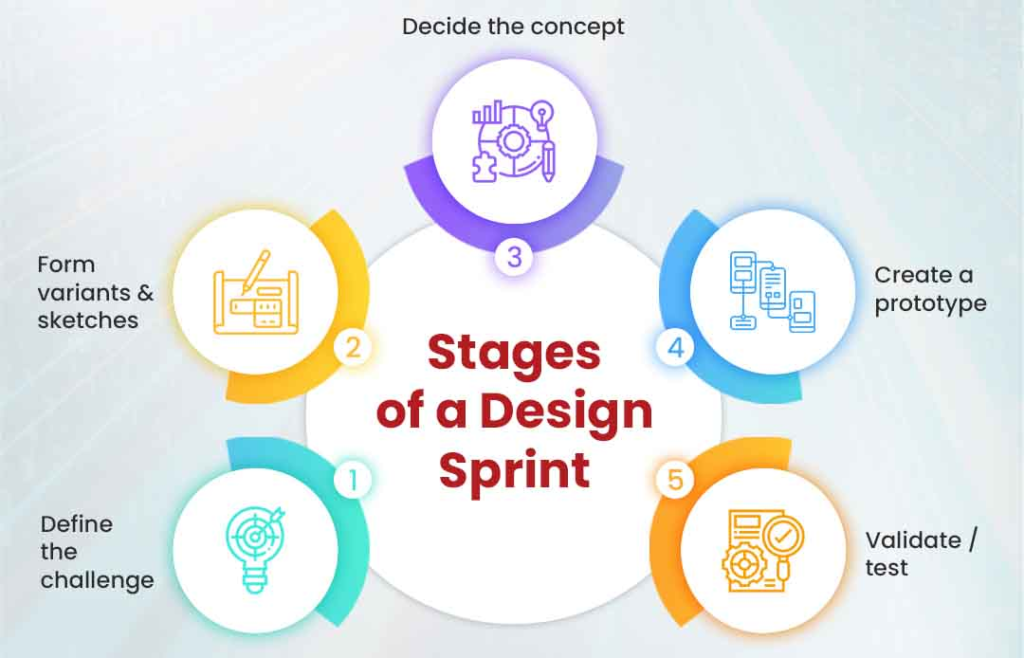
What makes design sprints particularly effective is their structured yet flexible nature. Over a typical five-day sprint, teams start by mapping out the problem and identifying key goals. By mid-week, participants are ideating and sketching solutions, and by the end of the sprint, they have built and tested a prototype with real users. This efficient flow ensures that every team member contributes to a shared vision, and it deepens understanding of the customer’s needs. Businesses that adopt design sprints often report improved collaboration and clearer strategic direction across product, design, and engineering teams.
Another benefit of embracing design sprints is the alignment they create across diverse teams. When stakeholders from different departments come together in a design sprint, communication barriers break down and shared understanding increases. The design sprint process fosters a culture of experimentation and learning, encouraging teams to challenge assumptions and explore innovative solutions. Because teams test their ideas so early, they gain actionable insights fast, which helps pivot or refine strategies with confidence.
Today, design sprints are not just used by startups or tech companies; organisations of all sizes and industries are applying this methodology to tackle everything from new product concepts to service improvements. Whether it’s refining user experience, prioritising features, or exploring new market opportunities, design sprints offer a structured pathway to innovation. By integrating design sprints into strategic planning, businesses are better equipped to adapt to change, focus on customer value, and stay ahead in competitive markets.
In summary, design sprints are a transformative approach that empowers teams to innovate faster and smarter. By condensing critical stages of product development into a collaborative, user-centered process, design sprints help organisations validate ideas early, reduce uncertainty, and create meaningful solutions that resonate with users. As more companies embrace this methodology, design sprints are shaping the future of how great products and experiences are crafted.
Leave a Comment