
Product design is one of the most crucial elements in bringing successful products to life. At its core, product design combines creativity, strategy, and deep user understanding to shape products that are both functional and delightful for the people who use them. The term product design refers to the process of imagining, developing, testing, and refining a product concept until it becomes something that users love and trust. This process goes far beyond aesthetics — it ensures that every feature, texture, and interaction serves a purpose and solves a real human need.
In today’s competitive market, strong product design plays a critical role in setting a product apart. It’s not enough for a product to look good; modern consumers expect solutions that are intuitive, efficient, and aligned with their lifestyle. The primary goal of product design is to bridge the gap between user expectations and business objectives, ensuring that a product is both useful and desirable.
A successful product design begins with comprehensive research. Designers invest significant time understanding user behaviour, market trends, and unmet needs. This phase of product design often includes interviews, surveys, and prototype testing, each providing invaluable insights that shape the final product. Once the challenge is well understood, ideation and conceptualisation follow, allowing designers to sketch out multiple solutions and explore creative possibilities before narrowing down the most promising concepts.
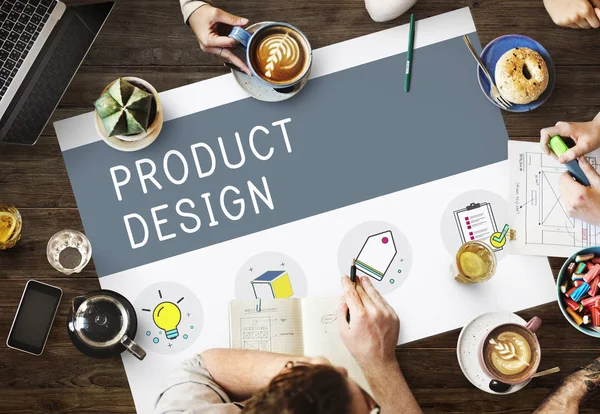
From here, product design moves into prototyping and user testing. Prototypes allow designers to test how real users interact with a product concept, revealing opportunities to improve its usability and performance. This iterative nature of product design means the process rarely stops at the first idea — continuous refinement ensures that the product not only meets expectations but exceeds them in real-world scenarios.
What sets outstanding product design apart is its attention to detail. Every material choice, button placement, and visual element is considered with user experience in mind. Good product design doesn’t simply add features; it shapes how users feel and interact with the product. Whether the product is a physical device, a digital app, or a service offering, the design must offer a seamless experience that feels intuitive and valuable.
Moreover, product design is increasingly seen as a strategic differentiator for businesses. In a crowded marketplace, a well-designed product can build brand loyalty, enhance reputation, and contribute to long-term growth. Products that are easy to use and solve real problems tend to perform better commercially and receive stronger word-of-mouth recommendations.

In essence, product design is an ever-evolving discipline. It merges art and science, blending human-centered research with innovative thinking to craft products that resonate with users on both functional and emotional levels. From the first spark of an idea to the final product launch, every decision in product design influences not just how a product looks, but how it feels, performs, and ultimately makes life better for its users.
Leave a Comment